Religious Education
Religious Education
Intent
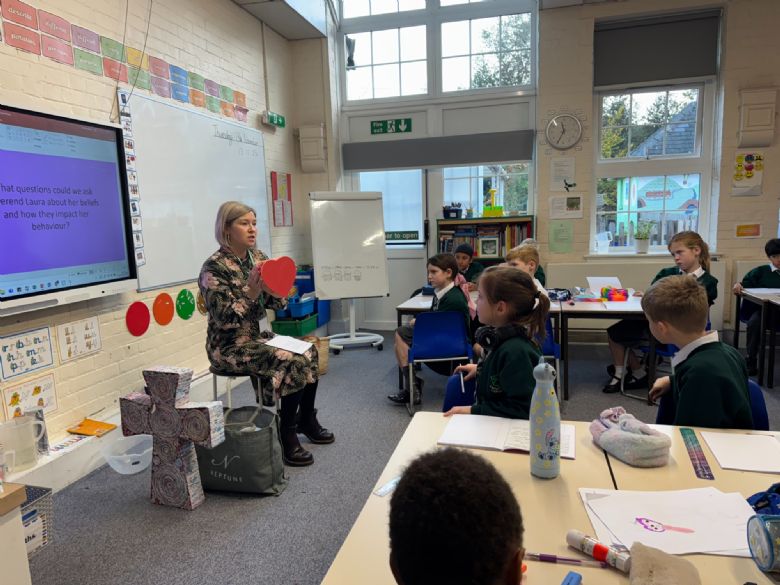
At Crowthorne Church of England Primary School, Religious Education (RE) is an important part of our Christian vision and our commitment to helping every child live life to the full. We want our pupils to develop a thoughtful understanding of Christianity and a wide range of other religious and non-religious worldviews, recognising the diversity of beliefs and experiences within our local community and the wider world.
Through RE, children are encouraged to ask big questions about life, meaning and purpose, explore different perspectives and reflect on their own beliefs and values. We aim to nurture curiosity, respect and compassion, equipping our pupils to engage confidently and thoughtfully with people whose beliefs and experiences may differ from their own.
Implementation
Our RE curriculum follows the Pan-Berkshire Locally Agreed Syllabus for Religious Education 2025–2030, adopted by Bracknell Forest for teaching from September 2026. Christianity is explored in every year group as a diverse, global and living faith, alongside learning about other religious and non-religious worldviews, including Judaism, Islam, Hindu Dharma, Sikhi and non-religious world-views.
Learning is organised around carefully sequenced enquiry questions that allow children to revisit important ideas, build on prior knowledge and make meaningful connections between different beliefs and ways of life. Please see a copy of our curriculum map at the end of this page. Through stories, sacred texts, artefacts, discussion, reflection and comparison, pupils develop their knowledge, vocabulary and understanding of religion and world-views.
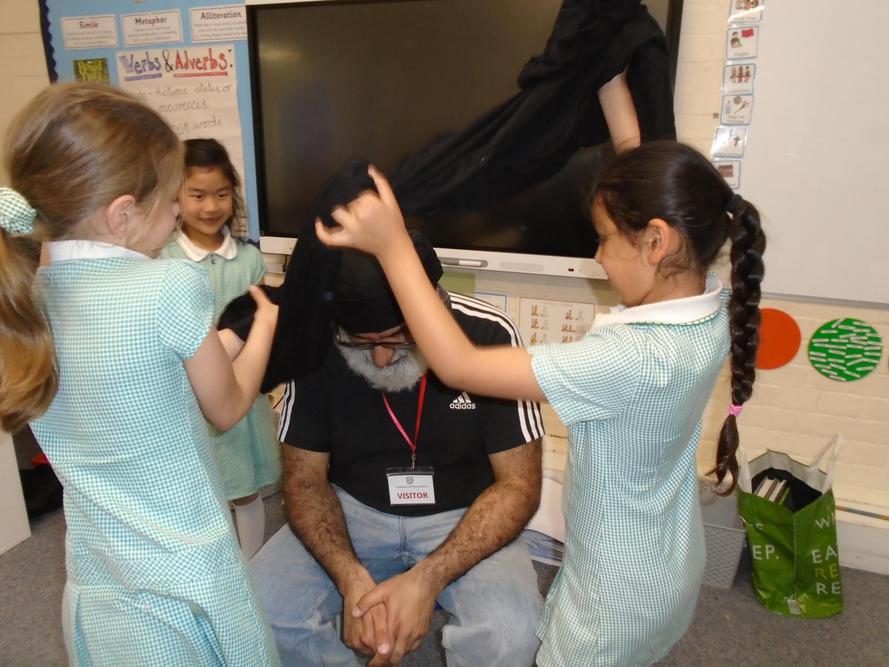
Where appropriate, we enrich classroom learning through visitors, first-hand experiences and links with our local community, helping children connect their learning to the world around them. RE is taught as a distinct subject, separate from Collective Worship, and has an important place within our broad and balanced curriculum..
Impact
Through RE, we want our pupils to become knowledgeable, curious and respectful learners who can talk thoughtfully about religion, belief and worldviews. We aim for children to make connections between what they learn, the experiences of others and their own developing ideas and values.
Teachers assess pupils' learning throughout each unit through questioning, discussion, observation and written and practical activities. This helps us understand what children know and understand, identify next steps and ensure that learning builds progressively as they move through the school.
The RE subject leader and senior leadership team monitor the quality and impact of the curriculum through activities such as lesson visits, work scrutiny, planning reviews and pupil discussions. This supports us in continually developing our provision so that all pupils have opportunities to flourish.